
12 August 2025
New Homes Should Mean Flourishing Communities - Can Social Value Statements Help Achieve This?

Written by: James McGowan
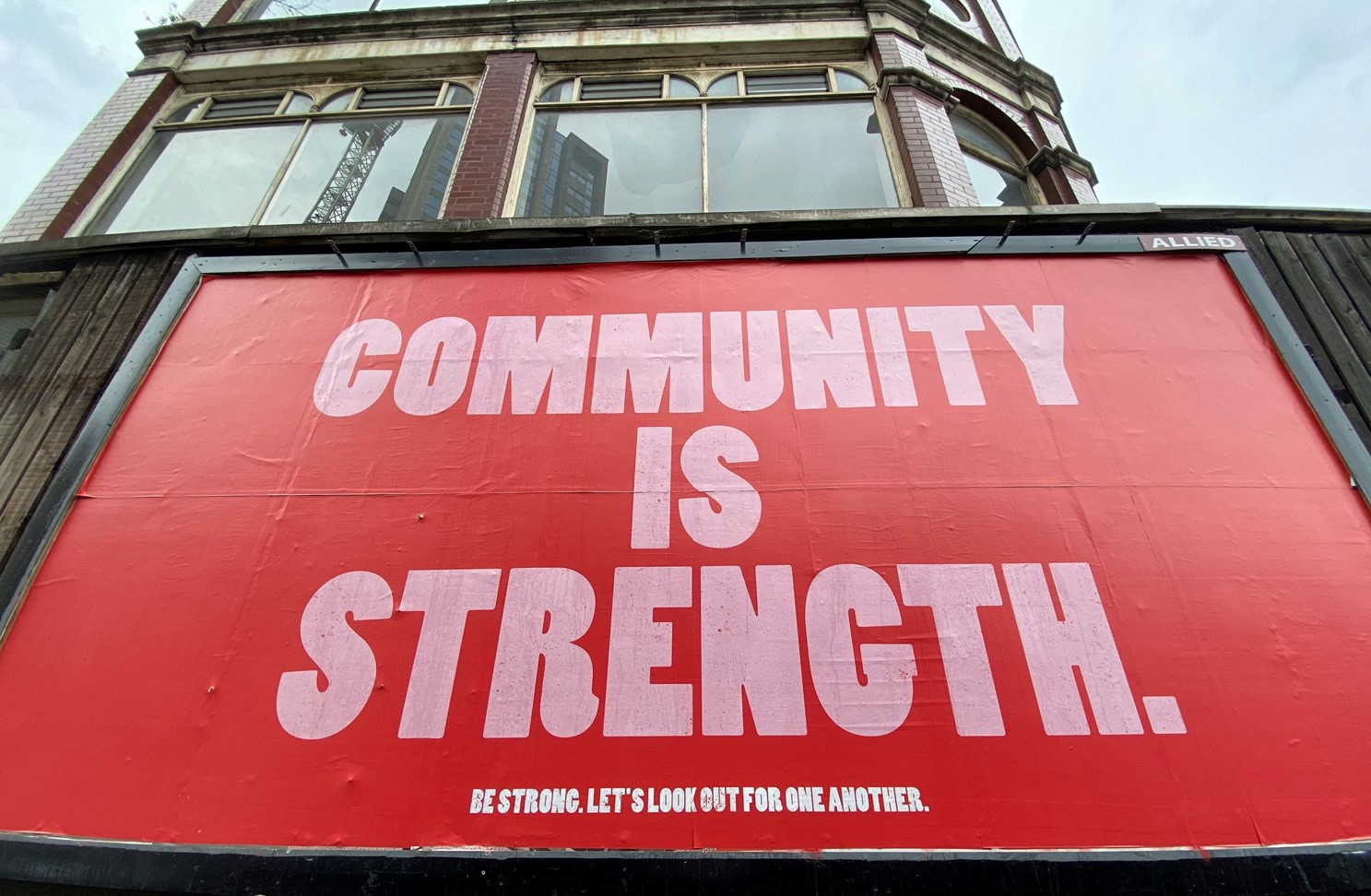
At RealWorth, we understand how important the quality of a local environment is to the wellbeing of the residents who live and work there. To ensure high-quality environments where people can flourish, we believe housing delivery must go beyond building homes - with social value embedded from planning to occupation. In this article, we explore the Social Value Statement as a policy option to ensure developments serve the long term public interest, without being overly rigid.
It is well understood that the quality of a person’s local environment strongly correlates with broader indicators of wellbeing. For example, research from the Health Foundation has shown that people living in the most deprived areas of the country can have a life expectancy up to nine years shorter than those in the least deprived areas.[1] Whether poor environments lead to worse health, or whether people with fewer resources are pushed into areas with poor amenities because of lower land values, is, in many ways, beside the point. Everyone deserves to live in a place that enables a rich and fulfilling life.
This belief is at the heart of RealWorth’s mission. We aim to achieve better outcomes for everyone by encouraging commissioners, designers, developers and other decision-makers to consider social impact at every stage of a project. Our company was founded to address a shortfall of this thinking, and while there is still a long way to go, we have seen a shift over the last decade. Whilst our work has made a small contribution to this, we have been delighted to witness the growing public awareness of the importance of place, something exemplified by the popularity of concepts such as the “15-minute city.”
Against that backdrop, the Guardian’s recent report that “thousands of properties are going up without access to playgrounds, community infrastructure and even doctors” was a sobering read. [2] The article highlights a development in Essex of 225 new homes where, three years after completion, a fenced-off playground warns residents to “keep out” and there is little sign of any other amenities.
This is not an isolated example. Despite progress, across England, new homes are still being built in areas with limited public transport, scarce amenities, and no plans to provide new ones. Where amenities are delivered, they sometimes meet only the minimum planning requirements, providing, for instance, a school or basic open space, without any attempt to understand the wants and aspirations of those who will live there or the unmet needs of existing residents.
The developer of the Essex site pointed out that, under its planning agreement, there was no obligation "to provide a shop, pub, or nursery". This reflects a widespread approach to development that sees a developer’s responsibility as ending with the delivery of housing units in a financially viable way. While there are many examples of developers who take a more holistic view of creating communities, not just homes, these are often exceptions rather than the rule. Unless developers actively choose to go further, large-scale residential schemes will continue to be delivered without sufficient consideration for the lives of those who will inhabit them long after the builders have gone.
This is precisely why the planning system exists: to ensure that development decisions are made in the public interest. It is meant to be the safeguard that prevents places from being built outside of the social fabric and should ensure that the long-term interests of current and future residents are considered. Yet, at the same time, it is important that planning is not overly prescriptive. While setting thresholds for infrastructure like schools is necessary, the types of spaces and services a community needs are best understood through direct and meaningful engagement with the people who live there.
One practical approach that helps strike this balance is the Social Value Statement. The statement, led by developers in collaboration with the planning authority and local community, demonstrates how local needs and the creation of lasting meaningful social value have been considered, incorporated into plans, and will be translated into tangible benefits for people and communities. Increasingly, we are seeing councils and developers adopt this approach, requiring statements as part of the planning submission. RealWorth has supported developers, including the Earls Court Development Company, for the redevelopment of the former Earls Court Exhibition Centre, and quasi-governmental Agencies in producing these.
When considering these Statements, it is important to remember that social value does not always require large budgets or complex initiatives. Often, relatively simple actions can have an outsized impact. For example, residents of the Essex development cited in the article asked for an empty building on site to be handed over so they could fit it out themselves, even offering to volunteer their time and skills free of charge. Low-cost interventions such as enabling community-led projects, creating resident stewardship groups, or establishing a small community grant fund can generate meaningful and lasting social impact. We have seen this first-hand in our work, for example, supporting Peabody and their development partner, Mount Anvil, in the Friary Park and Burridge Gardens developments to deliver community partnership strategies with local VCSEs.
Ultimately, the design and delivery of housing should be about more than the houses themselves. It needs to be about creating spaces where people can thrive. The evidence linking place to wellbeing has, for a long time, been too strong to ignore. The adoption of approaches such as Social Value Statements throughout the planning and occupation phases, will help to ensure that the building of new houses will create flourishing communities.
Sources and Links;