
17 November 2025
Plan for Change: Labours Plans for High Street Revitalisation

Written by: Abbey Jones
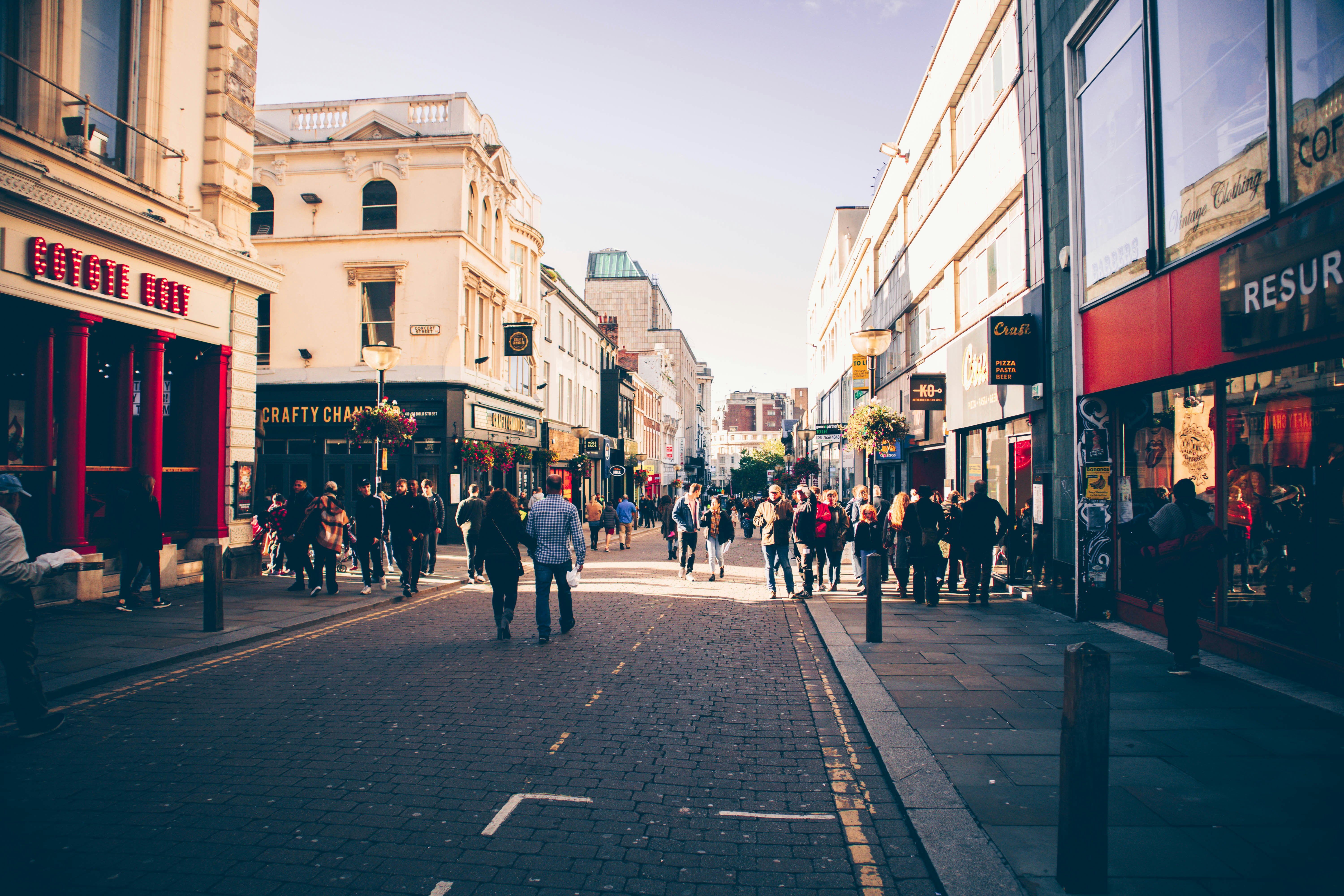
Labour's Pride in Place announcement, committing investment to over 330 towns in the UK, promises new powers to communities to seize boarded shops, save derelict pubs and block gambling and vape shops on their high street. This is welcome news for social value, as it promises to prioritise socially inclusive and locally-led growth. That said, with all regeneration in the built-environment, there is a risk of creeping gentrification in the towns that manage to do it well. How can developers and local authorities ensure that Pride in Place powers deliver high-street regeneration and not gentrification?
Pride in Place
In September, Kier Starmer announced a 'Plan for Change' programme that aims to give communities Pride in Place by transferring power from Whitehall to communities. The ideology behind Plan to Change is that the boarded up pubs and closed down youth center's show how British towns are struggling, making them uninspiring places to live and work. The Plan for Change aims to empower communities to change that themselves, giving them the autonomy to change their local landscape.
The following powers will be devolved:
Community Right to Buy: handing local people the power to buy beloved assets, helping them turn around derelict pubs, create new parks and regenerate treasured spaces in the heart of their communities.
Compulsory Purchase powers: allowing communities in England to acquire assets and eyesores like boarded up shops and derelict abandoned businesses, allowing new local start-ups to thrive. For larger sites – like disused department stores or abandoned office blocks – it could even see new health centres opening up, or local housing to help reach our target of 1.5 million homes.
Power to block unwanted shops: empowering councils in England to say no to new betting shops, vapes stores and fake barbers.
Giving residents the power: Including community groups, local organisations and social clubs in decisions on how the money should be spent – putting real power in local hands and giving them a proper say over their community.
Promoting Socially Inclusive Growth to Prevent Gentrification
It's a familiar story, that once run-down high streets providing local artists, creatives and independents with affordable rent become a victim of their own success. They become 'cool' and attractive to young or creative people who then move in, clean a place up and attract more local businesses to set up shop. This then attracts property developers, or wealthier residents, who can afford to pay more in rent or house prices, in turn pushing out long standing local residents who have contributed to the growth.
Starmer's Pride in Place plans attempt to prevent this kind of gentrification by promoting inclusive growth, consulting community groups and local organisations before making decisions on funding allocations and enabling them to block proposals for new retailers that might harm residents, such as vape shops or betting shops.
As a social value consultancy, we are seeing promising trends in our research and client activity that in-person high street goods services are valued highly by local authorities, developers and communities alike. There is a consensus that in-person interaction is necessary for social interaction, human connection and community wealth building, which promises huge returns in social value if this trend continues. Labour’s Pride in Place strategy (and funding) has the potential to support communities to bolster their already amazing work, and we can’t wait to see the results.